

Snow Plowing & Winter Property Work
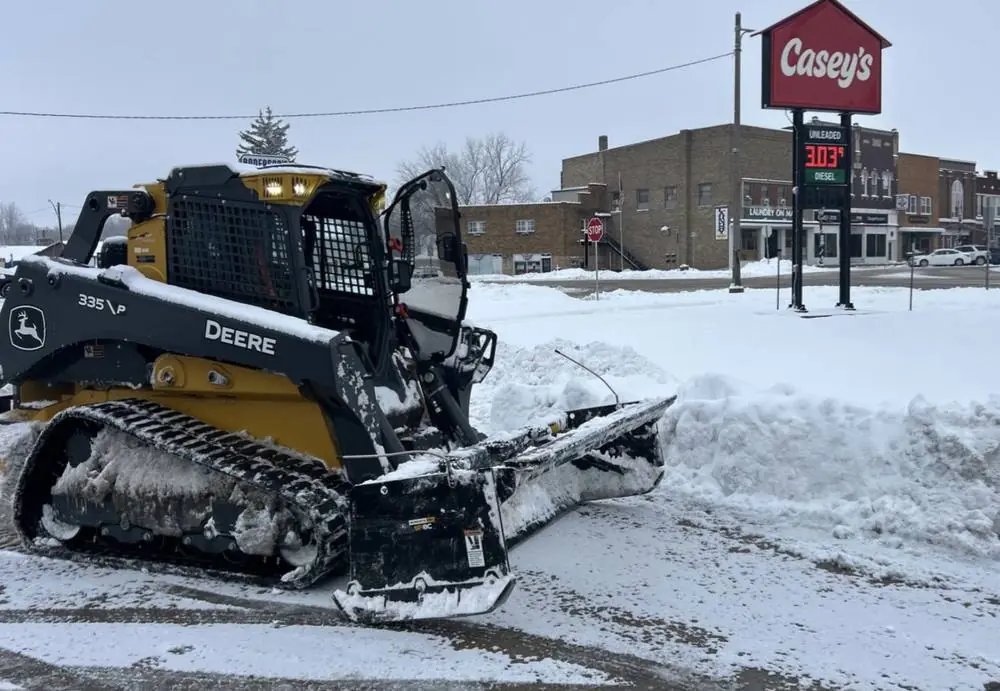
OPS Forestry Mulching Division plows snow around the Illinois Valley with the same equipment that moves dirt the rest of the year: long rural drives, farm and shop lots, and access lanes a pickup with a blade cannot handle. Call (815) 240-9065.
- Free estimates
- Owner-run by James
- Illinois Valley to the Quad Cities
Snow Plowing, step by step
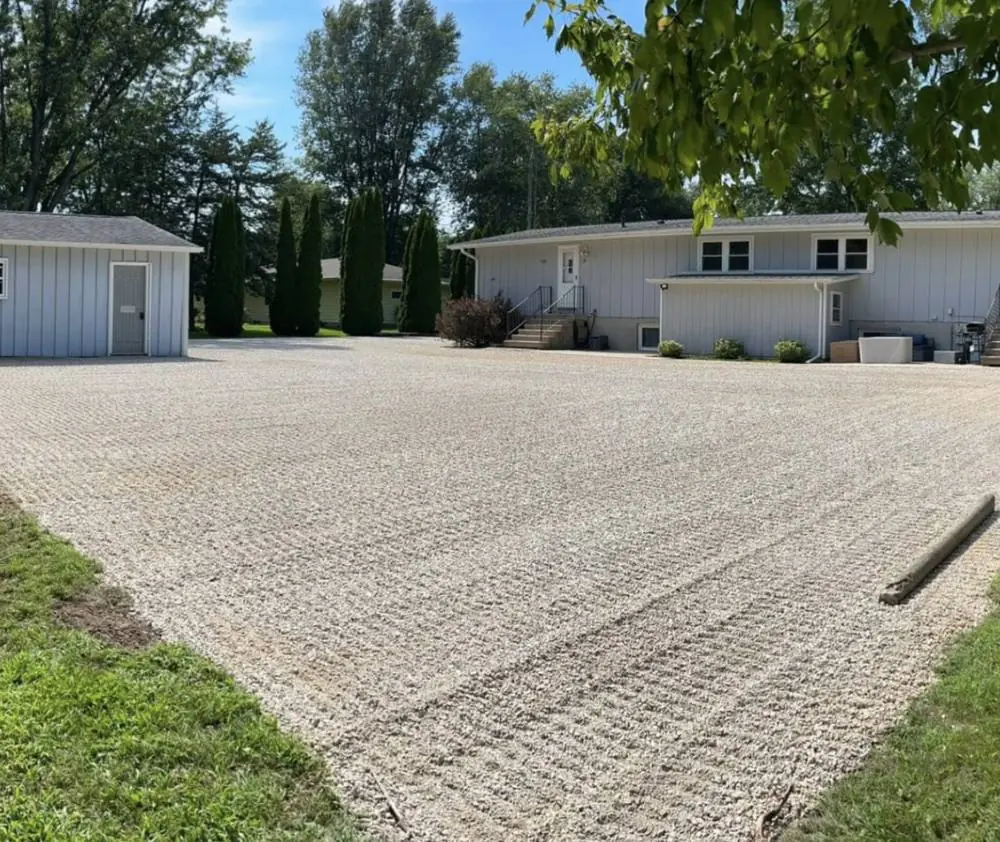
Long rural driveways
Quarter-mile drives with ditches on both sides are a different job than a suburban apron — there has to be somewhere to put the snow that isn’t back across the drive.
Farm, shop and commercial lots
Open ground that has to be usable in the morning. Stacking snow where it won’t block doors, gates, or drainage when it melts.
Winter access
Lanes back to livestock, bins, outbuildings, or a job site that still has to run through the winter.
Snow Plowing near you
Regular work through the Illinois Valley, north to Sterling and Dixon and west into the Quad Cities. See the full service area.
Illinois Valley
Northwest IL & Quad Cities
Snow Plowing questions
Not seeing yours? Call or text (815) 240-9065 and ask James, or read the common questions.
- Cost GuideHow Much Does It Cost to Build a Pond in Illinois?
- Cost GuideHow Much Does Land Clearing Cost in Illinois?
- GuideWhat Is Forestry Mulching? What It Does and Where It Stops
- GuideHow to Fix a Gravel Driveway: Potholes, Washboard and Drainage
- GuideYard Grading & Drainage: A Plain Guide for Homeowners
- GuideBush Honeysuckle Removal in Illinois: Clearing an Invasive Shrub
Do you plow snow?
Yes. The same equipment that moves dirt the rest of the year handles snow in winter — long rural drives, farm and shop lots, and access lanes that a pickup with a blade can’t manage. Call before the season to talk about arrangements.
Do you work year-round?
Yes. Mulching and clearing carry on through the colder months, and winter is often the better time for it — the ground is firm, there are no leaves in the way, and you can see what you’re working with. Snow plowing runs through the same season.
How far do you travel?
Regular work runs from the Illinois Valley north to Sterling and Dixon, east toward DeKalb, and west into the Quad Cities. Outside that, it’s still worth asking — travel for a job that justifies it isn’t a problem.
How do I get an estimate?
Call or text, or send the form on the contact page. The details that help most up front: roughly how many acres, how thick it is, what’s growing on it, whether a truck and trailer can get in, and when you’d like it done.
What usually goes with it
Most jobs start with the mulcher and end somewhere else. All services.
What people say after
Word for word from the OPS Google Business Profile. Recent jobs are on Facebook.
“James has done a wonderful job for us. He is timely, efficient and willing to travel where needed. You will not be disappointed.”
“OPS does what they say they’ll do, and do it efficiently and at a fair price. You’ll be glad you hired them.”
“James is a good communicator… he has some super equipment and for sure endeavors to do a great job. He recently rototilled some property for me… then planted it with oats and grass seed. Now it can rain all it wants!!”
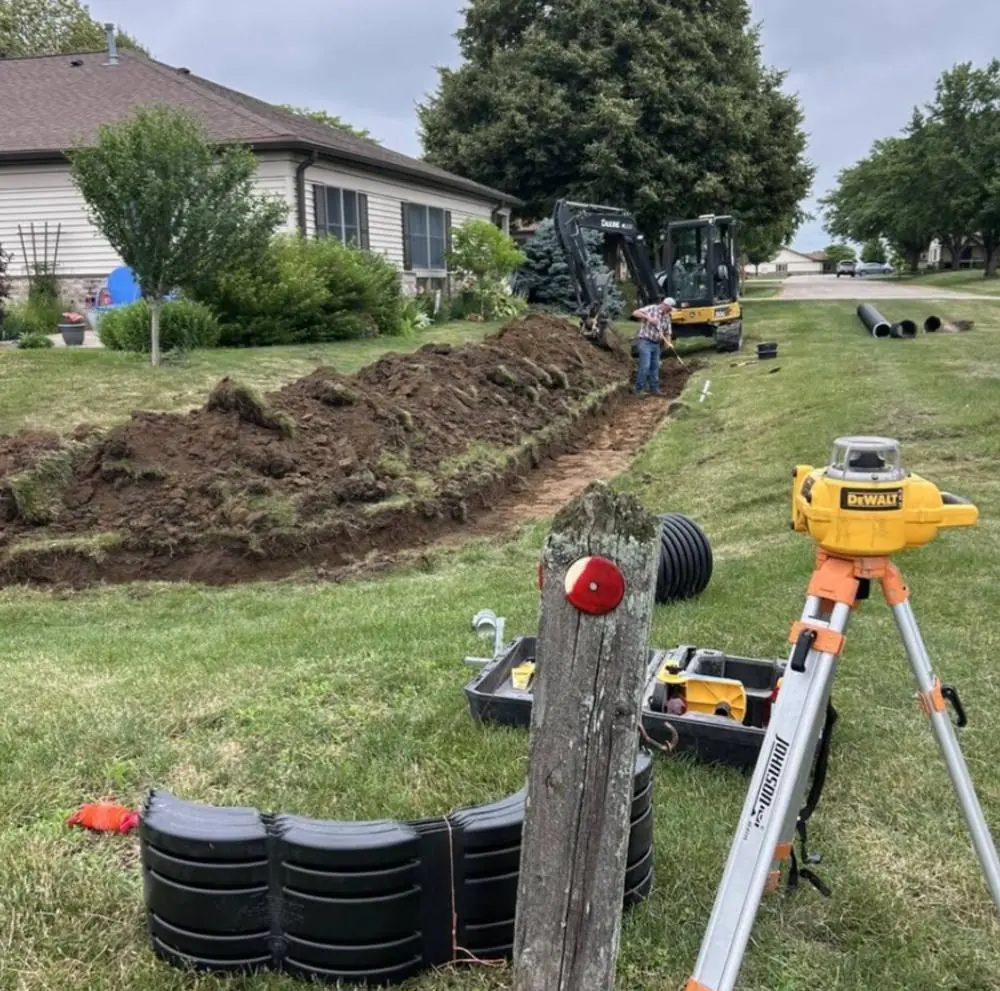
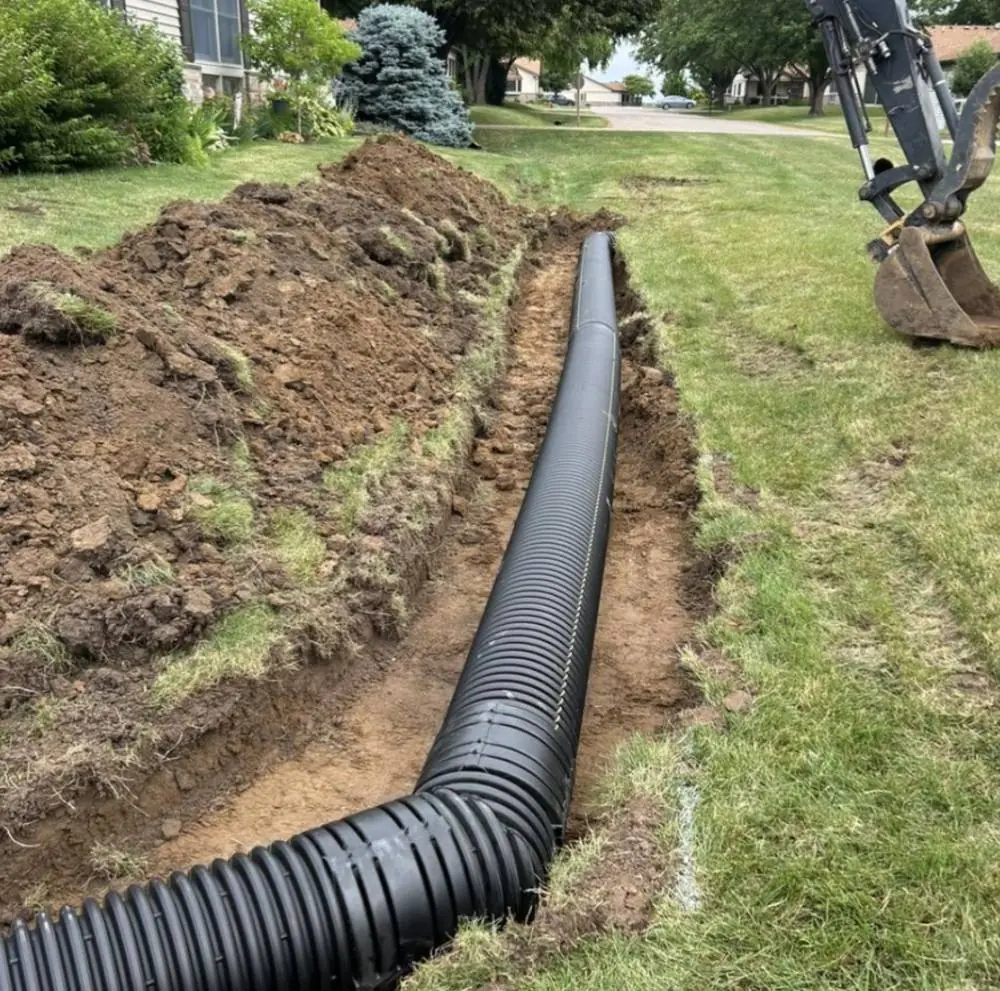
“OPS did an amazing job on our property. We hired them to install a drainage system for our pool area, level the ground…”
From First Call to Usable Ground
Call or Text
Call or text (815) 240-9065 or send the form. Roughly how many acres, what is growing and whether a truck and trailer can get in.
We Look at the Ground
James looks at the ground before he gives you a number, so the estimate fits the job in front of him.
The Work Gets Done
We agree on what comes out and what stays. Then the machines go to work, with James running them.
Ground You Can Use
You are left with ground you can walk, mow, build on or farm, and the topsoil stays where it belongs.
Need snow plowing?
Tell us roughly how many acres, how thick it is, and whether a truck and trailer can get to it. That’s usually enough for a real number.
Straight to James. No call center.
Got a piece of ground?
Tell us roughly how many acres, how thick it is, and whether a truck and trailer can get to it. That’s usually enough for a real number.